Monday, February 6, 2017

The One With All The Pictures

It's been 5 months since I arrived in Buenos Aires, Argentina. In that amount of time, I've:

-Spent entire days speaking Spanish
-Gotten yelled at on a crowded bus by an old lady for (not) intentionally blocking the door
-Been shown incredible hospitality by lovely porteños
-Had 3 different jobs
-Gotten food poisoning
-Gotten sick overall 7 times
-Purchased two lovely houseplants
-Started and finished Narcos on Netflix
-Purchased tango shoes and visited several milongas around the city
-Eaten too much dulce de leche
-Lived in 3 different places
-Gone running by the zoo
-Had a picnic in the bosque de Palermo
-Ordered empanadas for delivery
-Successfully navigated the subte and colectivos
-Listened to Argentinian radio
-Fallen in love with a completely unique place

.....and everything else pictured below.

wine tasting in San Telmo


exploring Tigre and the delta


seeing the full supermoon in Puerto Madero, with Puente de la Mujer in the distance (designed by Calatrava)


friends at Puerto Madero
(countries represented: Brasil, Colombia, Austria, USA)


working remotely from a café in Montevideo, Uruguay


sunset on the beach in Montevideo, Uruguay


the beach in Necochea, Buenos Aires province, Argentina


plaza in Necochea


amazingly delicious Italian dinner at Peperoncini, in Necochea


one of many, many mates had in Argentina


new apartment!


old theater-turned bookstore - El Ateneo Grand Splendid
Not pictured: soaked through clothes, as I walked here 45 minutes in the rain with a broken umbrella


breakfast in residence #2


trash bin at El Banco Rojo, San Telmo (c. Oct 2016)


the red soils of Misiones province, Argentina


statue at the Reserva Ecologica, city of Buenos Aires


celebratory dinner at an outdoor patio restaurant in Palermo, after Alberto's choir concert


terraza of a weekend staycation apartment in San Nicolás, city of Buenos Aires


one of the sculptures at Parque de las Memorias, honoring the disappeared people of Argentina's dictatorship


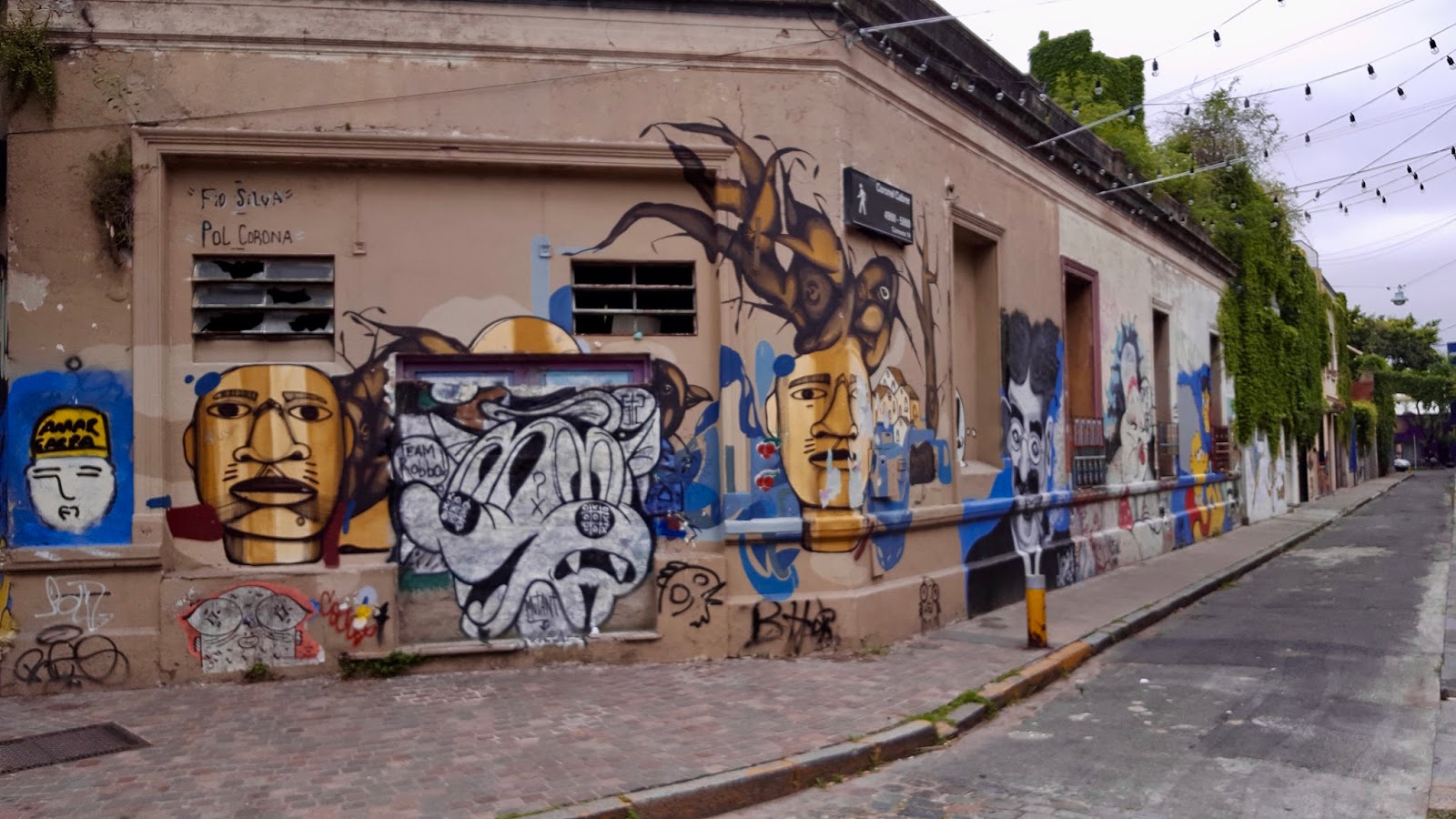
graffiti in Palermo, the city of Buenos Aires


beautifully painted wine bottles, and a reflection of a friend


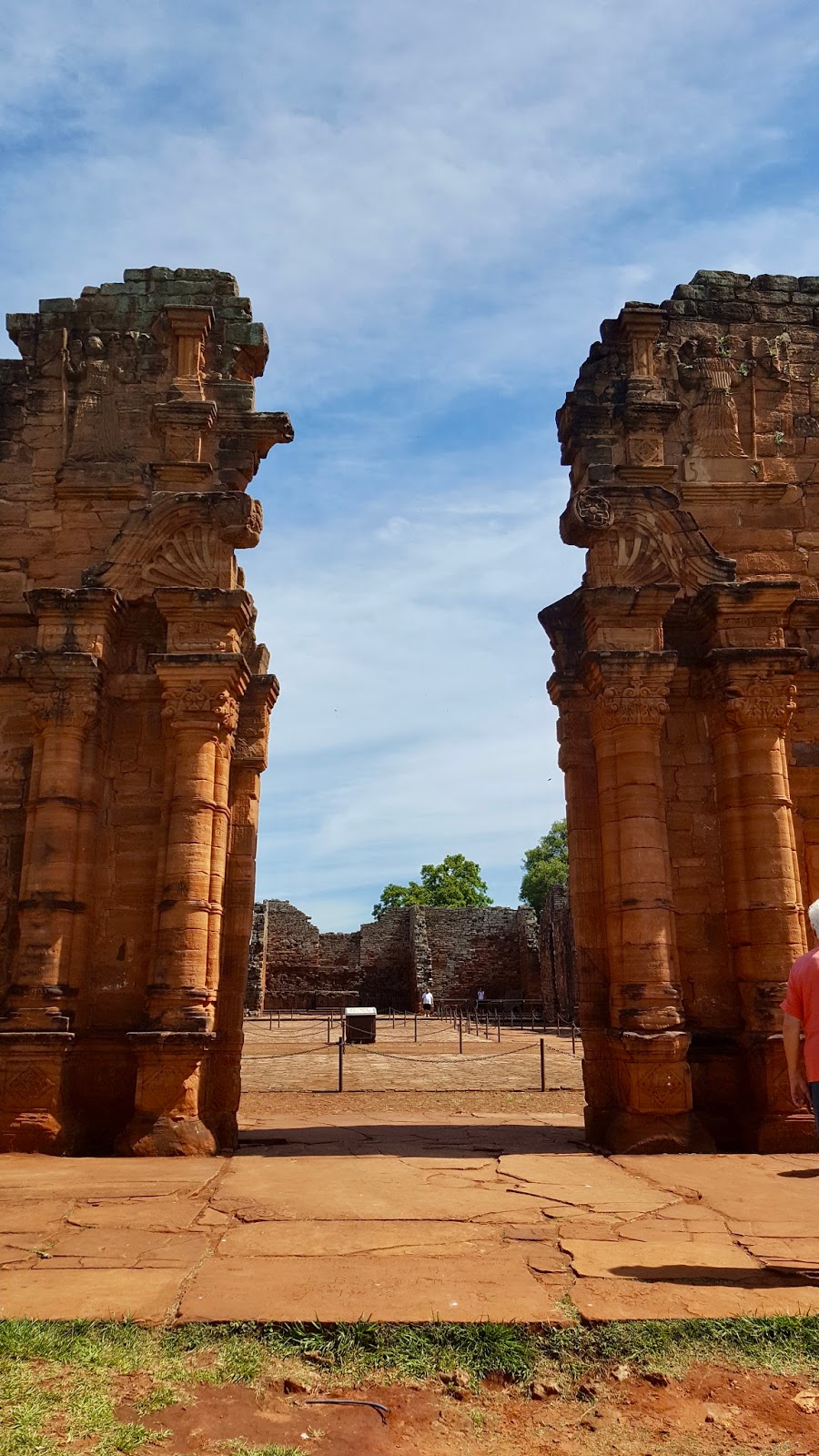
old Spanish mission in Misiones, Argentina


working remotely from Vive Café that makes the BEST cold brew coffee in the city 
Palermo, city of Buenos Aires
Not pictured: cold brew iced coffee


The corner of calles Caseros y Bolívar
San Telmo, city of Buenos Aires


Gerónimo Rauch concert
Teatro Maipo, city of Buenos Aires


Montevideo Brew House
Montevideo, Uruguay


Beautiful beach in Montevideo, Uruguay


Plaza Independencia, Montevideo, Uruguay


Teatro Solís, Montevideo, Uruguay


View west from my 4th floor apartment window
Montserrat, city of Buenos Aires


MALBA (Museo de Arte Latinoamericano de Buenos Aires)
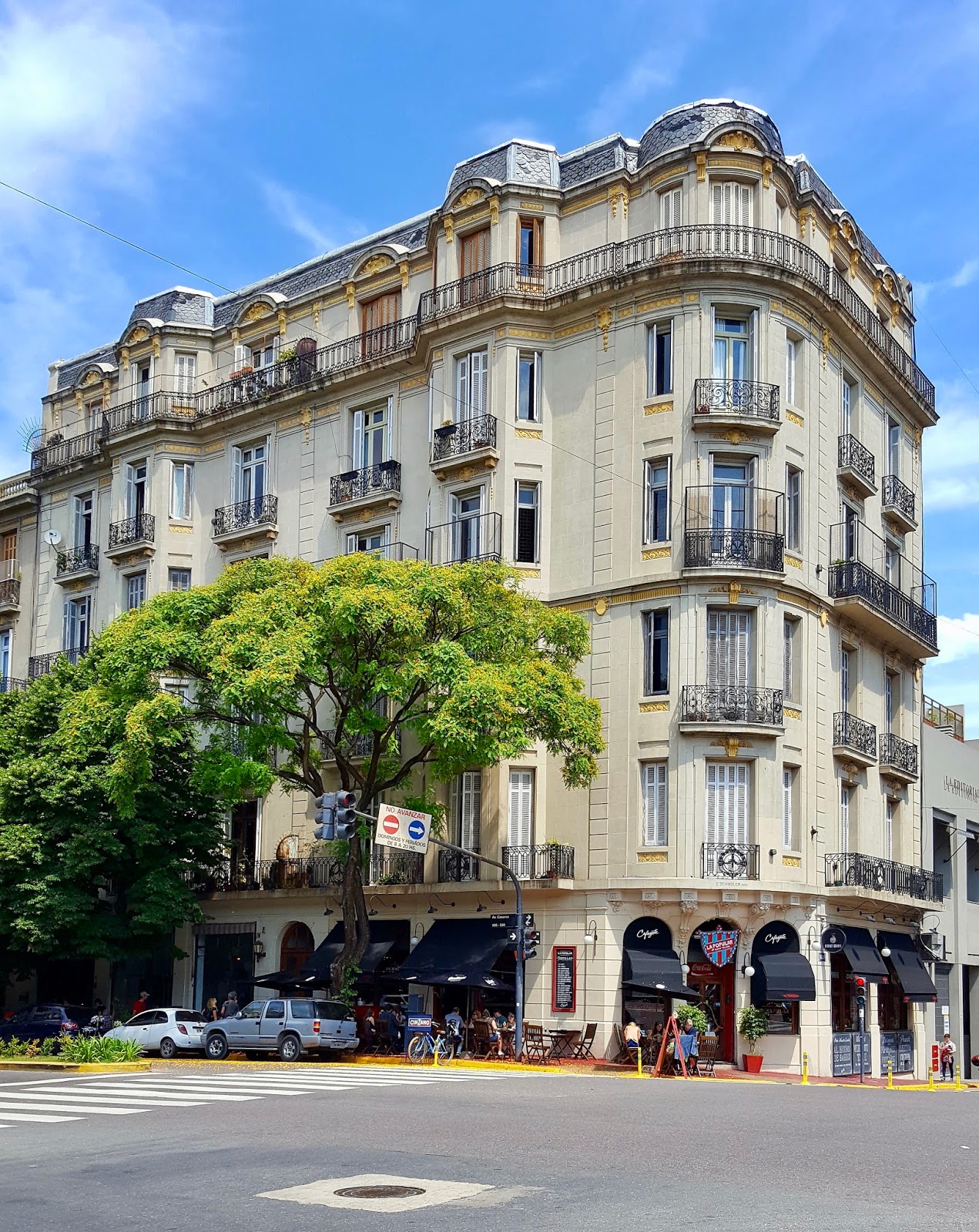
Recoleta, city of Buenos Aires


vegan dinner with new friends
Palermo, city of Buenos Aires


remote work station, popular Netflix viewing venue, and plant sanctuary
Montserrat, city of Buenos Aires


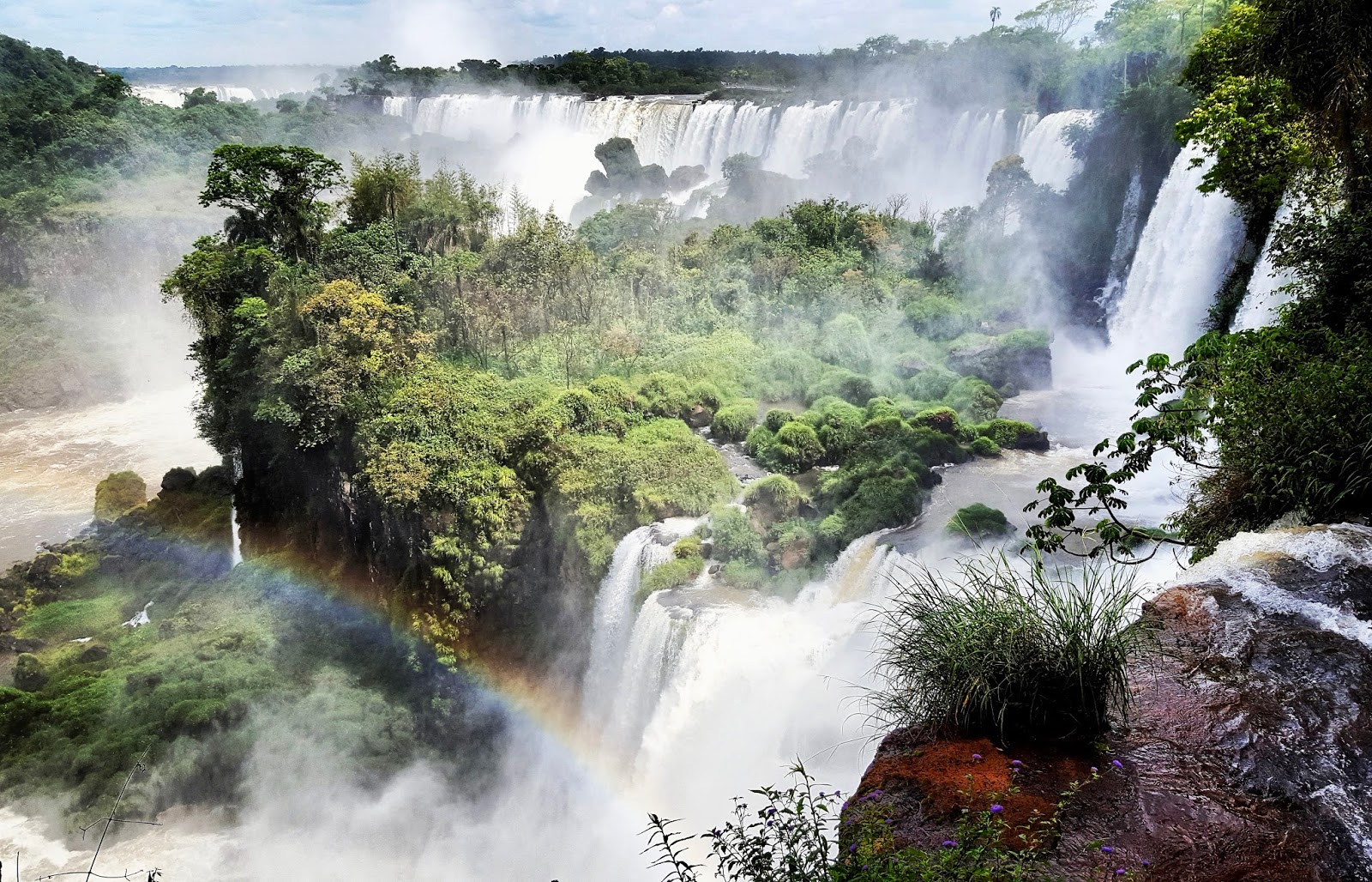
one of seven natural wonders of the world
Iguazú Falls


resort in Puerto Iguazú, Argentina


Jacarandá trees in full flower
nighttime street in Puerto Madero, city of Buenos Aires


Sunday, April 17, 2016

Lessons Learned on "Big Citizenship"

Bought in October | Finished in April

This past week, I finished a book that when I started it, I thought "dang, I should have read this a long time ago". But, as I finished it out after 6-ish months of letting its lessons marinate in the back of my mind (it was one of those books you pick up and put down, maybe read some other things in between), I'm finding that I'm happy I waited to read it. Both because of the point in my life I'm at, but also because of the state of the world. If I'd read it while I was still employed at City Year, the book would have served my confirmation bias a lot more, and if I'd read it while a student at a very liberal university, it might've made me a little angry.

Now that I've had space from both experiences, and traveled to other corners of the globe (some for the first time, some for the millionth time), it genuinely surprised me at how necessary some of the lessons are in this book. Sure, in some ways it still confirms a bias I have that City Year is truly one of the greatest organizations in the US. Khazei's message also strikes me as a marriage between the old school and the new school. There are some "traditional" values that some millenials might take issue with - e.g. it's not always wise to lose your temper (or, to be "brutally honest all the time") when you feel something is unjust - you never know if the person you're yelling at/acting too cool for might be in a position to help you out later. I know I've made this mistake - for things I've felt are completely worth making a fuss about, like the gender pay gap, or someone not paying attention when the traffic light turns green - and it's good to have a reminder. In another vein, he proposes a link between the private sector and the public sector, and why they need each other - another good reminder in an age in the US where the majority of young people are (rightfully so, in some cases) fed up with capitalism.

Further than that, though, it has served as a reminder in this US presidential election year that being a Big Citizen is one of the most important and unique duties we have as Americans. The idea that we have freedom to be critical of our leaders but then cease to do anything about it is unacceptable. To have that kind of apathy is a different kind of privilege, it seems.


As I read, I found myself highlighting, underlining and dog-earing pages of things that struck me. Here are some of my favorite insights:


Ch. 2 - Be Prepared To Give Up Your Shirt
"...you never know who is going to be in the position to help you, so be open to everyone; and the best ambassadors for any program are not its founders and theorists, but the people who sign up for it and make it their own."

"...many speakers talked about how, in spite of having so many issues in common with other members of the City Year corps, there had been no connections or efforts to work together until City Year had begun to establish them."

"Through their idealism and service, [young people] could show that they and their young peers were not the selfish, self-centered, and self-absorbed caricatures often portrayed in the popular media. Instead, they were a dedicated generation, ready and willing to try to change the world if challenged and given the chance."


Ch. 3 - An "Action Tank"
"For example, we only have the right to a jury trial because other citizens take their responsibility to to give up their time to serve on a jury, seriously."

"One of the great things that national service can and must do is to give every young person a chance to be a civic activist. Through service, a young person can discover abilities and talents she or he may not realize they possess."

"Becoming a truly inclusive nation remains a great challenge for America, even in 2010. A national service program, created on a scale that links people from different backgrounds to work together for the common good and on the common ground of service, is one of the best ways for America to travel the path from diversity to genuine inclusivity."

"...we wanted to send the message that the private sector has an essential role to play in any ongoing national service system. We believed that, given more than seventy percent of people work in the private sector, we needed to engage that sector if national service was going to be truly transformational."

"We argued that if you wanted to have a truly diverse program in which people committed to work full-time for a year, you would have to pay them; otherwise your program would be limited to a very small slice of America that could afford to volunteer full-time for free...nevertheless, it was a significant difference of opinion, even principle, that we could not immediately resolve. Ultimately, we did what we always did when meeting new people whom we were trying to convince of the value of City Year's approach to national service -- we asked [Gregg] Petersmeyer to come visit City Year so he could see firsthand what we were doing and how it worked...When Petersmeyer emerged, he sat down with us and said, "OK, I get it. I get it. This was a terrific discussion. The lower income young people made it clear they weren't doing City Year for the money, but without the stipend, there was no way they could afford to do this full-time."


Ch. 5 - Social Entrepreneurs Around The World
"Entrepreneurship, according to the French economist Jean-Baptiste Say, is the "rearranging of economic resources out of an area of lower utility into an area of high productivity and greater yield". Social entrepreneurs, by contrast, practice rearranging resources out of an area of lower public utility, into an area of higher public productivity and greater public yield."

"Vaclav Havel best captured the spirit of hope we witnessed over and over, when he said (Disturbing the Peace: A Conversation with Karel Huizdala): 'Either we have hope within us or we don't, it is a dimension of the soul, and it's not essentially dependent on some particular observation of the world or estimate of the situation...Hope in this deep and powerful sense, is not the same as joy that things are going well or the willingness to invest in enterprises that are obviously headed for early success, but rather, an ability to work for something because it is good, not just because it stands a chance to succeed...Hope is definitely not the same thing as optimism. It is not the conviction that something will turn out well, but the certainty that something makes sense no matter how it turns out'."

"The Rural ENT Foundation could be replicated anywhere there were doctors and people in need of medical care. But it wasn't. MTV or an MTV-like spin-off, was on TV in almost every country we visited, while Soul City was limited to South Africa...When it came to delivery and ability to scale, the private sector had and still has so much to teach most not-for-profits, which is why we have long believed that private involvement in social entrepreneurial activity is essential: uniting the entrepreneurs and entrepreneurial efforts of both sectors is where breakthrough change will come from. Too often, what philanthropic support could be obtained was focused more on starting up a new idea or organization, or responding to a foundation's program guidelines, rather than figuring out how to replicate and grow a successful existing effort, or how to change government policy as a result of that successful innovation."

Ch. 6 - Saving AmeriCorps
"After fifteen years of fighting to get America to embrace national service in a new way, it was unfathomable to realize it could all be wiped out in an instant, with no warning, no explanation, and no good reason. I immediately thought of the tens of thousands of young people who had committed themselves to a year of service and who had put off college or other work opportunities, or for whom AmeriCorps was the best chance to get their lives on track. Thousands of schools and community-based organizations and hundreds of thousands of children all over America were depending on these dedicated and idealistic volunteers.

Ch. 9 - The Long Campaign For Big Citizenship And Common Purpose
"...I have become convinced of an overall view. We need a fundamentally new approach to how we meet the challenges and seize the opportunities of our times. This requires moving beyond the stale debate of big government versus no government to embrace a new public philosophy of Big Citizenship and Common Purpose. Globalization...has opened up a host of new possibilities in education and economic development. New citizen movements are possible as are, unfortunately, new terrorist organizations. The march of democracy from sixty-nine democracies in the world when the Berlin Wall came down to 119 today is a source of great hope; the displacement of communities as jobs are relocated or lost can be a source of great despair. Many of the challenges of our times are interrelated and cannot be addressed in silos. Climate change is not only an environmental issue, but also an economic issue, an energy issue, a national security issue, and an issue that requires global diplomacy and international agreement to successfully confront it. It also provides the opportunity to embrace a clean energy revolution that could provide millions of new jobs."

--

Proudly putting my stamp of approval on this one, y'all.

Sunday, August 16, 2015

The One With The Daily Gratitude Diary, pt. 2

ARGENTINA

7/21: I'm thankful the Argentinian border guards didn't confiscate the piece of rock from SPA that Klaus gave to me.

7/22: I'm grateful I got to Zitto for lunch minutes before the rest of the Mendocino lunch crowd. I got to enjoy my beer, salad, and cappuccino in peace.

7/23: I'm grateful for long bus rides.

7/24: I'm grateful for the hospitality of my host, Mati, for greeting me before the sun came up at 7:30.

7/25: I'm grateful for the other foreigners at my AirBnB.

7/26: I'm grateful for Nancy, and the phone feature on WhatsApp.

7/27: I'm grateful for new Bs As hostel friends.

7/28: I'm grateful for Alberto.

7/29: I'm grateful for my parents, who encouraged me to take this trip on my own. I've learned so much, reflected a ton, and can't wait to come back on my own dime.

The One With The Daily Gratitude Diary, pt. 1


CHILE

7/10: I'm grateful for having enough patience to wait for my taxi to Cata's house in San Pedro de Atacama, instead of giving up and trying to walk.

7/11: I'm grateful for my new friend, Klaus, who loaned me a jacket so I wouldn't be cold traipsing around El Geyser del Tatío.

7/12: I'm grateful for the hospitable nature of the Atacameños, and my fellow travelers (especially the two solo females I met, from England and Germany respectively).

7/13: I'm grateful for Marlen, who looked after me during my stay at Cata's house.

7/14: I'm grateful for the pizza and wine I had at Casa Piedra; and also for their free wifi.

7/15: I'm grateful for Cheryl, my tour guide to Piedras Rojas, Las Lagunas Altiplanicas, y Salar de Chaxca - she translated everything into English for me, as I was the only gringo on the tour. Also, thankful for the 3 men and 1 woman who became my tour homies.

7/16: I'm grateful for Klaus, Conejo, and Ely, for many things, including giving me a true Chilean BBQ on my last day in San Pedro de Atacama.

7/17: I'm grateful for taxi drivers that speak English - and I'm grateful I had the city smarts to take one to the other bus station in Santiago.
------> thankful for Cheryl Strayed, author of "Wild" - it got me through the first 2 weeks of my solo journey.

7/18: I'm thankful for the walking tour of Valparaiso with my new friend, Tamaryn.

7/19: I'm thankful for trying Chilean steak and not getting sick.

7/20: I'm thankful for wine, especially the bottle I shared with Kate last night, and Rebecca & two Germans today on the rocks by the sea.


Monday, July 27, 2015

The One With The Crystal, Moonlight, and Tearful Goodbye

The neighborhood where I spent my final 4 days


The final day in the desert. I rubbed my eyes from sleep in the quiet adobe house belonging to Conejo and Klaus. I couldn’t believe it was time to move on – but I know if I didn’t, I’d regret not seeing the rest of the places I’d set out to originally. I let my mind float back to the evening before – Conejo letting me in to the house after my dinner in town, going over to their landlady’s house for hot wine and soup, proceeding to spend the evening laughing at Conejo’s incredible miming skills while Ely (his landlady) and I pretended to be actresses in this little skit with him, listened to Ely’s friends play guitar, tambourine, and sing, dancing salsa until Klaus came home around midnight. Sigh. The house had been filled with so much joy, I was almost sad to go to bed.

Sigh again. Happy that Klaus had the day off from work, and my bus didn’t leave San Pedro until 8 that night, I made the decision to enjoy every single last moment (it was not lost on me that I’d been having a lot of ‘last moments’ lately, what with leaving City Year and Milwaukee just 2-3 weeks prior).

Klaus and I enjoyed a final coffee and breakfast together (I think you can still call it breakfast if it’s after noon but it’s your first meal of the day, right?), and then I set off at his behest to the San Pedro bus station to buy my boleto for the trip to Santiago (long story short, there were very few direct buses from the desert to Valparaiso, so I had to connect in Santiago). Naturally, the office of the bus company I needed was closed until 4 PM, so I biked into town, bought a 6-pack of Escudo, and biked back to the house. It occurred to me how out of shape I was – and how thankful I was I’d rented a bike for my last few days in MKE – I had to get off and walk the bike the last block. It’s the altitude, I told myself to assuage my conscience.

I met Klaus’ friend Gonzalo back at the house, and watched the rest of the documentary Garbage Man with him while Klaus did laundry (my laundry included, thank goodness – I was starting to stink all over) and called friends to come over for a barbeque later that evening. My last few hours consisted of another trip to the bus station, ATM, and corner store, playing soccer as the sun went down with Nico, Ely’s son, Conejo, Klaus, and Gonzalo, eating 4-5 different meat mini-sandwiches, and enjoying beer and laughs with everyone above (except for Nico, he’s only 13). 7:30 rolled around faster than I wanted (but as fast as I knew it would), and I had to say my final goodbyes to everyone. I thanked Ely for her hospitality, Conejo for everything (this kid was seriously doing amazing things and is only 19), Gonzalo for chatting with me, and Klaus “drove” me to the bus station on his bike, ending our time together just as it began. I knew the tears would come before they did.


Goodbyes are a terrible thing – they signal the end, they feel so final. Even as you assure the other person this isn’t the end, this isn’t final, we will see each other again, there’s a part of you that always wonders, but what if it is? He wiped my tears away with one hand, and with the other, handed me a little crystal, 2/3 the size of my pinky. He instructed me to use it to cleanse myself of bad energy, and to set it in the moonlight to cleanse the crystal. I thanked him over and over again for everything, pulled the back of my hand across my eyes one more time, hefted my backpack onto my shoulders, and boarded the bus.

The One With The Extra Week In The Driest Desert In The World

"...and I, I took the road less traveled by..."

Yep – I decided to make a by-the-seat-of-my-pants decision, and in lieu of my stay in Santiago, stay for an extra 4 days in San Pedro de Atacama. After I ventured up into the Andes for the first time to the El Geyser del Tatio, spent some time chatting with the second group of travelers I’ve had the pleasure of encountering on this continent (a Paolino, Brit, porteno, Germans, etc.), I realized I was going to need waaaay more time than I anticipated here.

Tatio was incredible – the 4 AM wake-up was not – I was almost angry at these 2 Aussies in  our tour group for saying that, well, they’d seen the geyser at Yellowstone, so this was nothing *insert Aussie scoff here*. Okay, it was as cold as I’ve been since that skating trip to China-but-almost-Siberia in February of 2010, but it’s so hard to care when you’re surrounded by nature that fabulous and breathtaking. We stopped off for lunch and souvenirs at a little mountain town, I enjoyed a hot cup of Nescafe (I drank plenty of this during my tenure in City Year so I actually like the taste) and a freshly made empanada with queso de cabra. I was trying to be very purposeful about my breathing – being that far up in elevation with asthma ain’t cute, let me tell you – when all of a sudden I couldn’t swallow my bite of empanada. I tried not to panic, but the voice in my head had definitely lost it, saying things like, “MARY did you know when you’re up in elevation swallowing becomes more difficult as well?! Oh, you can’t breathe?! SHIT we can’t breathe!”, and for about 5 seconds I thought it was all over. (It wasn’t, I’m fine, and sitting in a café in town now writing this.) We got back to San Pedro around 1:30, I took a nap and drank my body weight in water to treat it to the oxygen it deserved, and when I woke up a few hours later, it was because of what sounded like someone trying to round up a group of feral cats. Meandering outside, I came to find it was Catalina’s neighbor from the finca across the way on his daily llama drive. LLAMAS! I watched like a woman saying goodbye to her long distance lover as he drives away in a taxi – don’t worry I resisted the urge to run after them – until I couldn’t see them anymore, and for the rest of the daylight hours, enjoyed coffee and produce with Seinfeld in Cata’s backyard.

The next few days were filled with a more traditional vacation feel – lounging around, reading “Wild”, eating in a different café every night for dinner, trying Pisco Sours made with different herbs, and hanging around with Klaus and his friends. Oh, that was the other thing – I didn’t feel quite as bad about not making it to Santiago because Klaus offered me a free place to stay in San Pedro. It’s hard to say no to beautiful Chilean green-eyed men, I learned.


Las Piedras Rojas, red volcanic rocks that get their shapes from ice wedging. B-e-a-utiful!


Plus, it gave me time to take another excursion to the mountains to marvel at the wonders of Mother Nature. This trip was kind of all-encompassing – desayuno, Las Piedras Rojas, Lagunas Altiplanicas (llaman Miniques y Miscanti), almuerzo, y Salar del Carmen (2nd largest salt flat in the world, next to Bolivia’s Salar de Uyuni). I was exhausted when I got home around 6 PM (we’d left at sunrise, around 7:45 AM), but ho-ly crap was it a beautiful day. Being the only native English-speaker on the tour was a whole other experience – even though the tour guide offered to translate everything from Spanish for me and for me alone (cue Penelope Cruz from Vicky Cristina Barcelona asking Cristina, “You know no Spanish?...You studied Chinese? Why? You think that sounds pretty?”), it was both a great opportunity for me to try to understand more Spanish (I did better than I thought) and the kick in the pants I needed to convince myself to take a few Spanish language classes once I move to Massachusetts. At each stop, after the guide’s explanation, I’d wander off across the incredible landscape by myself, taking it all in, having what I imagine feels like a religious experience, imagining myself the only woman in this entire place. It’s easy to see how one can find almost immediate and lasting peace in places like these.

“When I had no roof, I made
Audacity my roof.” 
- Robert Pinsky